Optos:
finding hidden eye problems
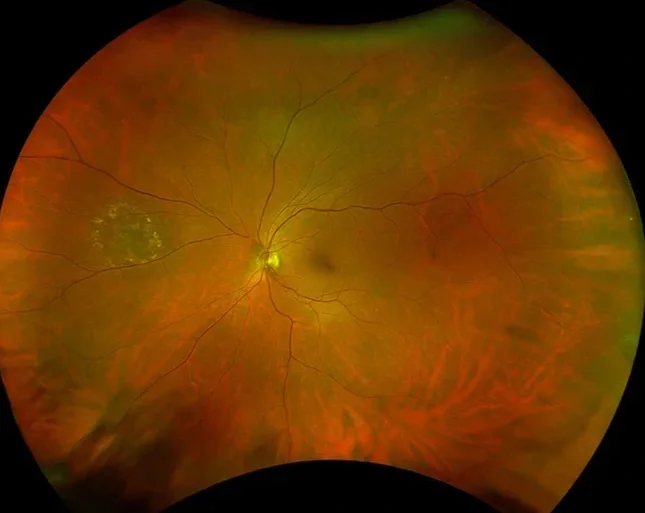
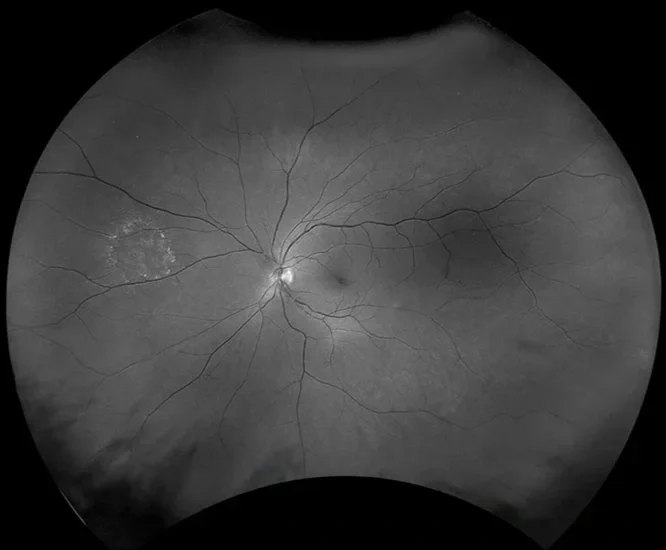
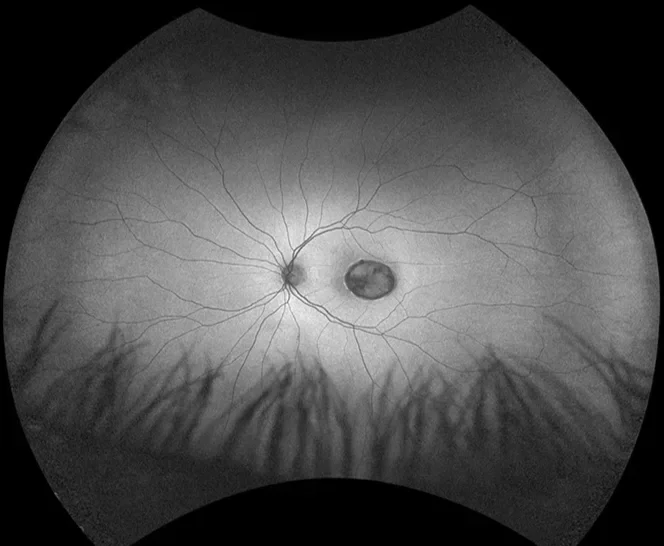
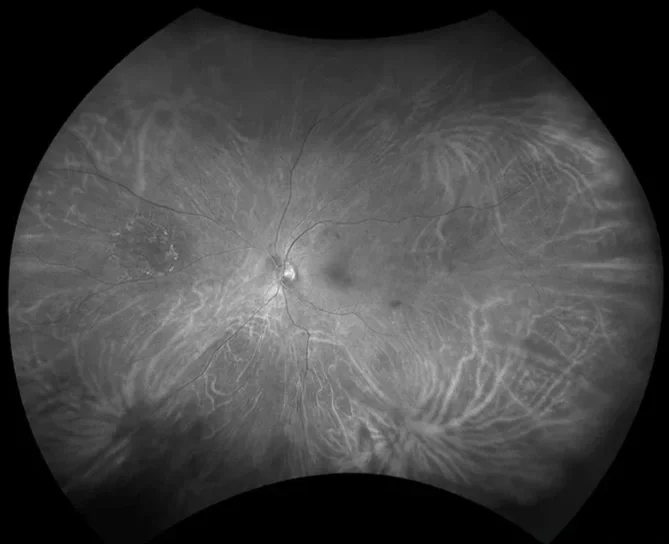
Optos retinal imaging is an advanced technology that allows eye care providers to capture a wide-field digital image of the retina, the light-sensitive tissue lining the back of the eye. Unlike traditional retinal examination methods that may require dilating eye drops to view the peripheral retina, Optos imaging can often capture up to 200 degrees of the retina in a single image, providing a comprehensive view of areas that are difficult to see with conventional techniques.
One of the primary benefits of Optos retinal imaging is the early detection of eye diseases and systemic health conditions. The detailed images can help identify signs of retinal tears, retinal detachments, diabetic retinopathy, macular degeneration, glaucoma, and other potentially sight-threatening conditions before symptoms develop. Because many retinal diseases progress silently, routine imaging can play an important role in preserving long-term vision through early diagnosis and treatment.
Optos imaging also creates a permanent digital record of the retina, allowing eye doctors to compare images over time and monitor even subtle changes in eye health. This capability is especially valuable for patients with diabetes, high blood pressure, a family history of eye disease, or other risk factors that require ongoing observation. The images can also help patients better understand their eye health by providing a clear visual representation of what the doctor is seeing.
In addition to its diagnostic value, Optos retinal imaging is fast, comfortable, and non-invasive. The imaging process takes only a few seconds and generally does not involve direct contact with the eye. For many patients, this means a more convenient examination experience, often reducing the need for dilation while still providing valuable information about the health of the retina and overall visual system. As part of a comprehensive eye examination, Optos retinal imaging offers an important tool for protecting and monitoring vision throughout life.