
Macular Degeneration:
family history matters
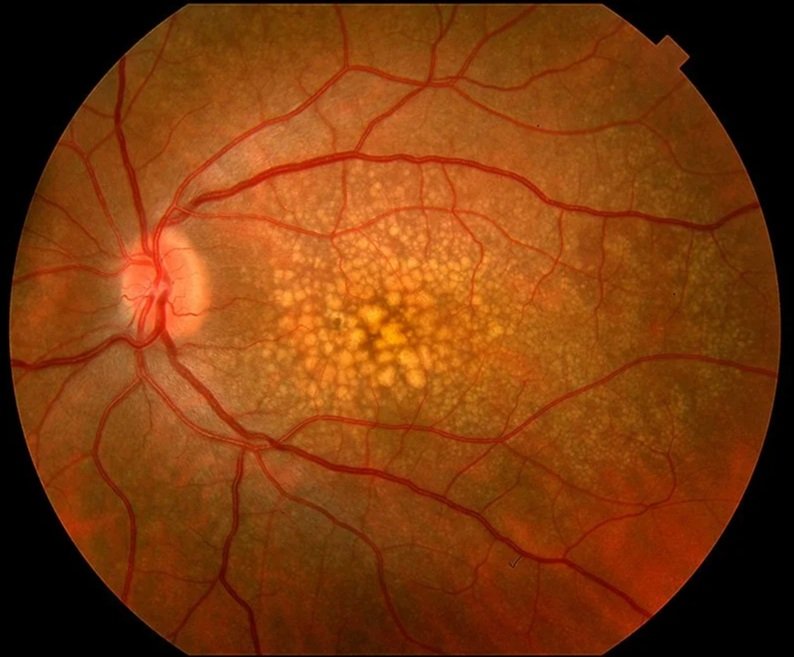
Macular degeneration, also known as age-related macular degeneration (AMD), is a progressive eye disease that affects the macula, the central portion of the retina responsible for sharp, detailed central vision. The condition primarily occurs in older adults and is a leading cause of vision loss in people over the age of 50.
AMD can impair activities that require central vision, such as reading, driving, recognizing faces, and seeing fine details. Peripheral (side) vision is typically preserved, so complete blindness is uncommon.
There are two main forms of macular degeneration:
● Dry AMD (nonexudative AMD): The more common form, characterized by the gradual accumulation of deposits called drusen beneath the retina and progressive thinning of retinal tissue.
● Wet AMD (neovascular AMD): A less common but more severe form caused by the growth of abnormal blood vessels beneath the retina. These vessels can leak fluid or blood, leading to rapid vision loss if not treated promptly.
Risk factors include increasing age, family history, smoking, cardiovascular disease, and certain genetic factors. Symptoms may include blurred or distorted central vision, difficulty reading, reduced color perception, and dark or empty areas in the center of vision.
Treatment depends on the type and severity of the disease. While there is no cure for dry AMD, lifestyle modifications and specific nutritional supplements may help slow progression in some patients. Wet AMD is commonly treated with intravitreal anti-vascular endothelial growth factor (anti-VEGF) injections, which can help preserve and sometimes improve vision.
Regular comprehensive eye examinations are important for early detection, monitoring, and management of macular degeneration.