
Glaucoma: silent thief
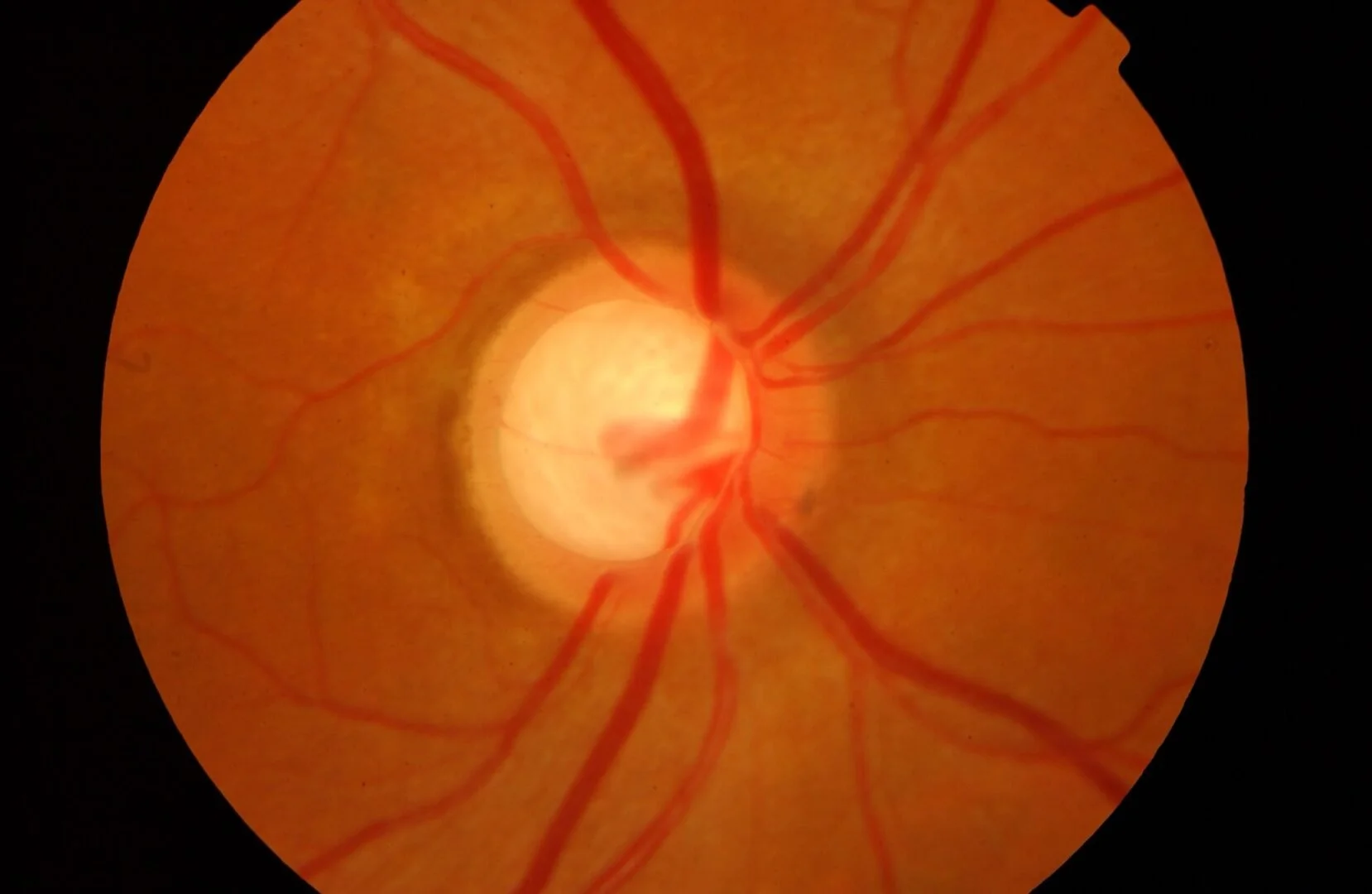
Glaucoma is a group of eye diseases that damage the optic nerve, the structure that carries visual information from the eye to the brain. This damage is often associated with increased pressure inside the eye, although glaucoma can also occur when eye pressure is within the normal range.
Glaucoma typically develops gradually and may not cause noticeable symptoms in its early stages. As the disease progresses, it can lead to loss of peripheral (side) vision and, if left untreated, may result in permanent vision loss or blindness. Because vision loss from glaucoma cannot be reversed, early detection and treatment are essential.
The most common types of glaucoma are primary open-angle glaucoma, which develops slowly over time, and angle-closure glaucoma, which can occur suddenly and requires immediate medical attention. Risk factors include increasing age, family history of glaucoma, elevated eye pressure, certain medical conditions, and specific ethnic backgrounds.
Treatment aims to lower eye pressure and slow or prevent further damage to the optic nerve. Management options may include prescription eye drops, oral medications, laser procedures, or surgery. While regular comprehensive eye examinations are important for early diagnosis, our offices have the capability to provide treatment and ongoing monitoring for glaucoma suspects.